A Giant Ship Stops Global Trade
On March 23, 2021, the container ship Ever Given ran aground in the Suez Canal, blocking one of the world’s busiest trade arteries for six days. Roughly 12% of global trade flows through Suez, and an estimated $9–10 billion worth of goods per day was stuck during the blockage.
Already strained by the pandemic, global supply chains braced for impact as hundreds of vessels queued on either side of the canal. What seemed like a bizarre accident quickly became a defining lesson in systemic fragility.
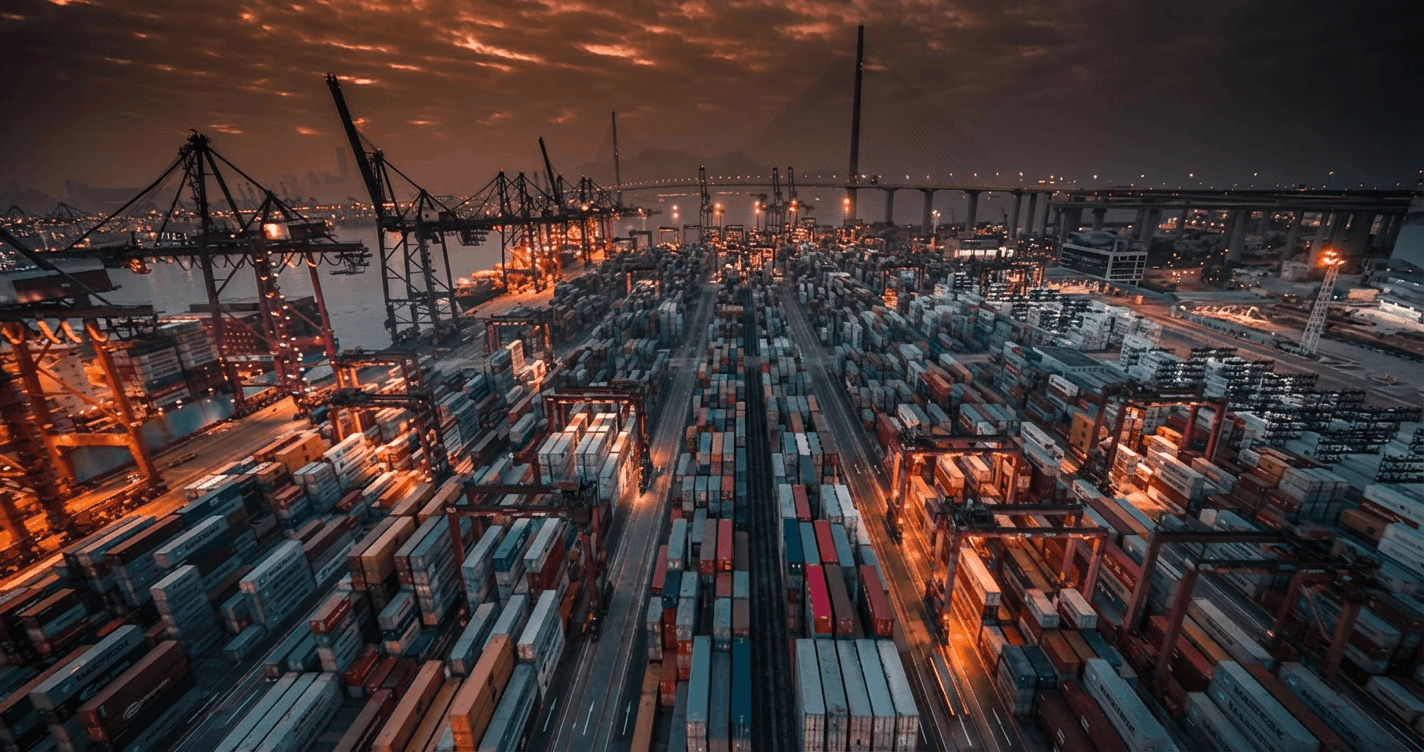
With nearly 90% of global goods shipped by sea, the Suez Canal is a critical chokepoint. The incident demonstrated how disruption in a single, narrow corridor can ripple across industries worldwide.
Immediate Shockwaves Across Industries
The closure affected nearly every sector. Hundreds of ships carrying crude oil, livestock, consumer goods, and industrial materials were delayed.
- Consumer goods: furniture, appliances, apparel, toys, coffee, and household items missed seasonal delivery windows.
- Retail: importers in the U.S. and Europe faced extended lead times, particularly for Asian-sourced products.
- Manufacturing: just-in-time producers scrambled to assess component shortages.
European automakers were among the hardest hit due to lean inventories and reliance on sea freight for parts. Analysts warned of potential production stoppages if delays persisted.
Other sectors felt the ripple as well:
- Chemicals & pharmaceuticals: delays in raw materials and active ingredients.
- Energy: short-term oil price volatility.
- Aerospace & defense: delays in metals, electronics, and components critical to aircraft production and maintenance.
Even military logistics planners took note, as a closed Suez could force naval assets to reroute around Africa, adding more than a week of transit time.
Weak Links Exposed in Modern Supply Chains
The Ever Given incident highlighted several structural vulnerabilities:
- Over-reliance on chokepoints: Suez handles a massive share of global container traffic yet offers no rapid substitute.
- Just-in-time fragility: lean inventories left companies without buffers when delays hit.
- Scale vs resilience: mega-ships push infrastructure to its limits, making recovery from failures slow and complex.
- Lack of visibility: many firms struggled to identify which shipments were affected.
- Limited alternatives: airfreight, rail, and alternate sea routes lacked sufficient spare capacity.
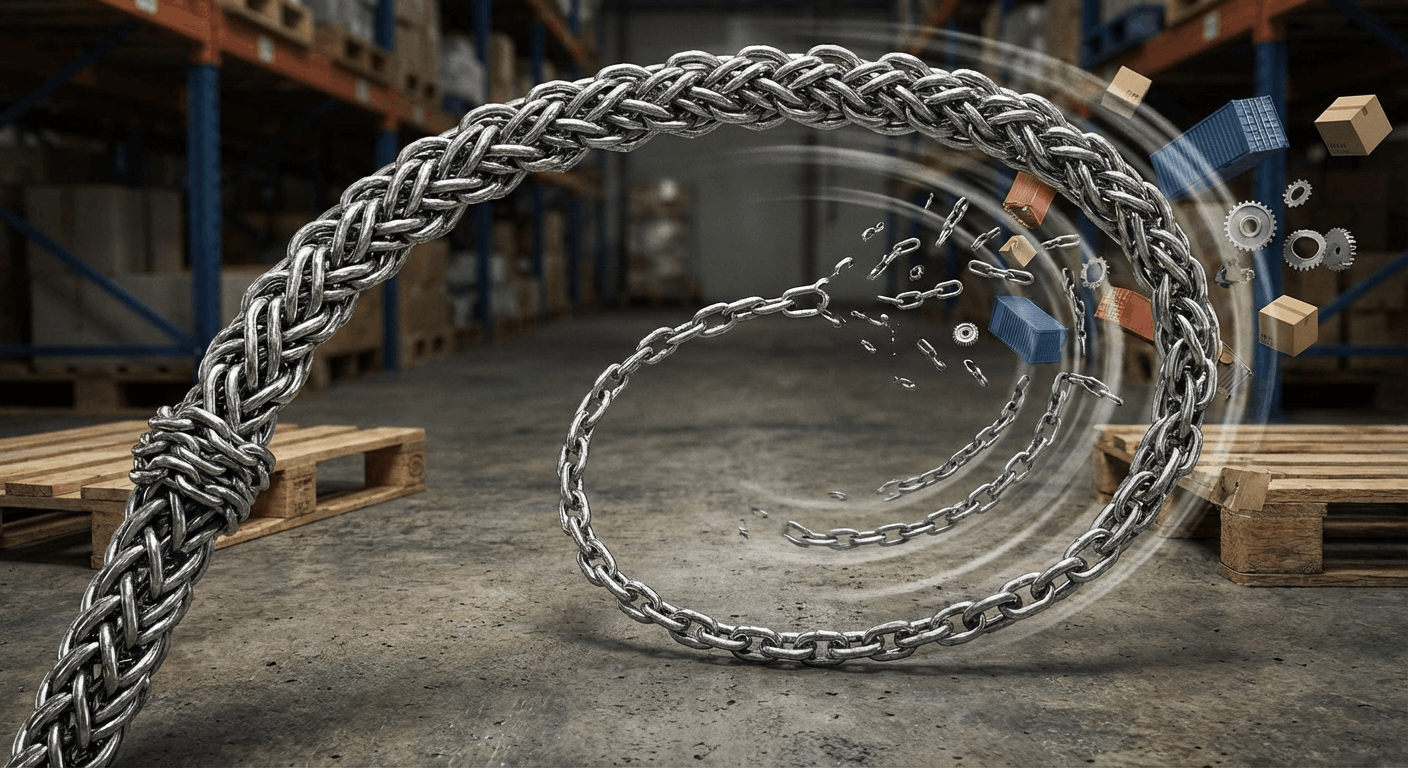
These weaknesses revealed a lack of redundancy and flexibility across global trade networks.
The Domino Effect: Long-Tail Disruptions
Although the canal reopened after six days, the aftermath lasted months. More than 360 ships surged toward ports simultaneously, overwhelming terminals in Europe.
- Ports struggled with yard congestion and labor constraints.
- Some ships discharged containers at unintended ports to recover schedules.
- Empty container repositioning was prioritized over import delivery.
The global container shortage worsened, freight rates climbed further, and small exporters struggled to secure capacity. Analysts estimated it took over two months for schedules to normalize, with ripple effects lingering far longer.
Building Resilience: Strategies After the Crisis
In response, companies began reassessing supply-chain strategy. Key approaches gained momentum:
- Diversifying routes and suppliers: qualifying alternate trade lanes and dual-sourcing components across regions.
- Regionalization and near-shoring: shifting portions of supply closer to end markets to reduce exposure to distant chokepoints.
- Buffer stock and just-in-case inventory: holding strategic safety stock for critical components.
- Improved visibility and agility: investing in real-time tracking, predictive analytics, and scenario planning.
- Collaborative relationships: closer partnerships with carriers and suppliers to improve flexibility during disruptions.
- Infrastructure investment: reinforcing chokepoints and exploring alternative corridors.
Lessons Learned
The Ever Given blockage became a defining moment for supply chain professionals. It demonstrated that highly efficient, globalized supply chains can be dangerously fragile.
The long-tail disruption reinforced that recovery takes far longer than the initial shock, and that resilience must be designed in—not improvised.
The crisis accelerated a broader shift in thinking: from cost-only optimization toward risk awareness, redundancy, and preparedness. Companies are now asking tougher questions about exposure, visibility, and contingency planning.
Ultimately, the 2021 Suez Canal blockage served as a wake-up call. It reminded the world that investing in supply-chain resilience is not optional. The organizations that learn from it—and act—will be better prepared for the next disruption, whether it comes from a pandemic, geopolitics, or a wayward ship blocking a canal.