Cadenas de Suministro Frágiles: Una Perspectiva Aeroespacial y de Defensa
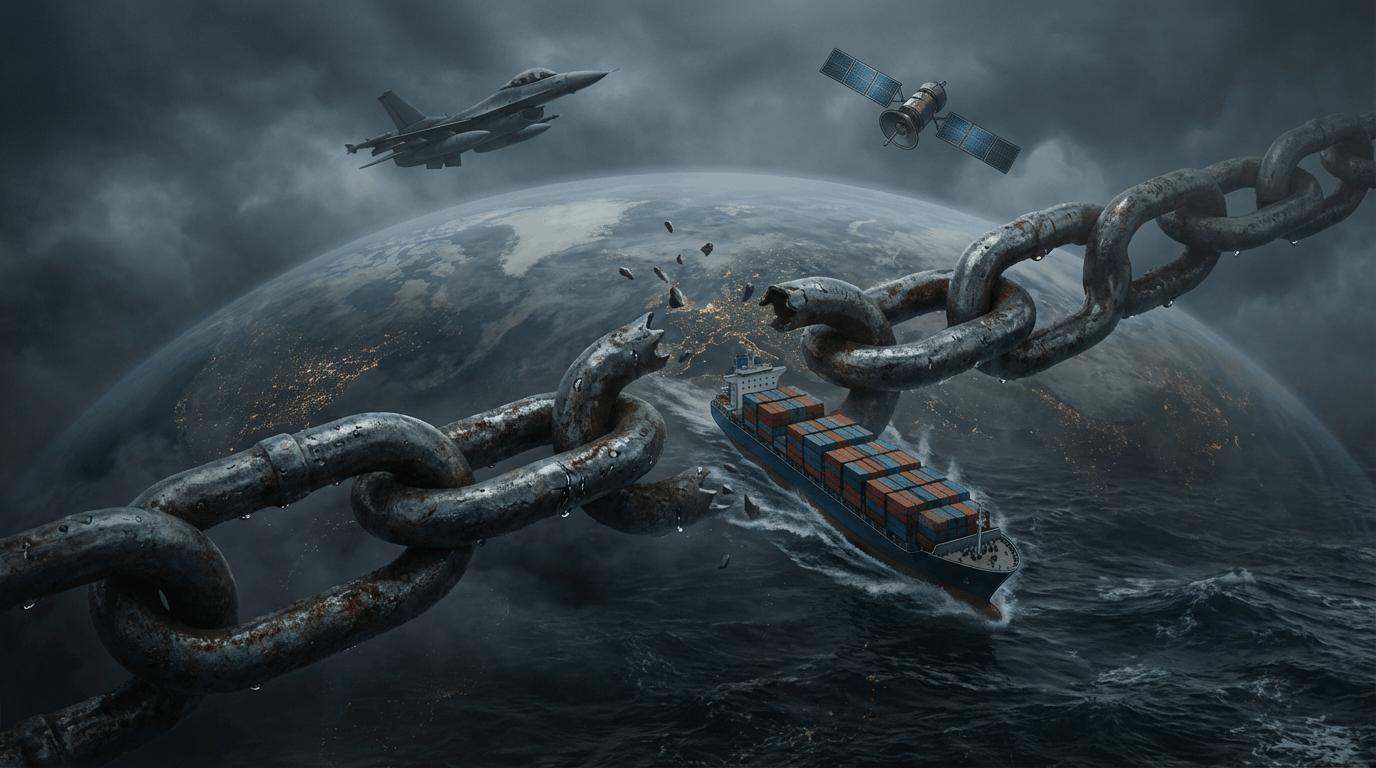
Jim Rickards lleva tiempo advirtiendo que las cadenas de suministro modernas —optimizadas para el costo y la velocidad— se han vuelto peligrosamente frágiles. En su opinión, la búsqueda incesante de la eficiencia just-in-time y la externalización global han eliminado amortiguadores y redundancias, dejando al mundo a un solo impacto de la ruptura. Las crisis recientes parecen darle la razón: la pandemia de COVID-19, los conflictos geopolíticos y las disrupciones comerciales revelaron cómo un fallo en un eslabón puede propagarse por todo el mundo.
Rickards incluso sostiene que las cadenas de suministro rotas, junto con la inflación creciente y la inestabilidad, amenazan con "hundir la economía global" si no las fortalecemos. En resumen, la resiliencia de la cadena de suministro —antes una idea secundaria— es ahora de misión crítica.
Cadenas de Suministro Globales: Eficientes pero Frágiles
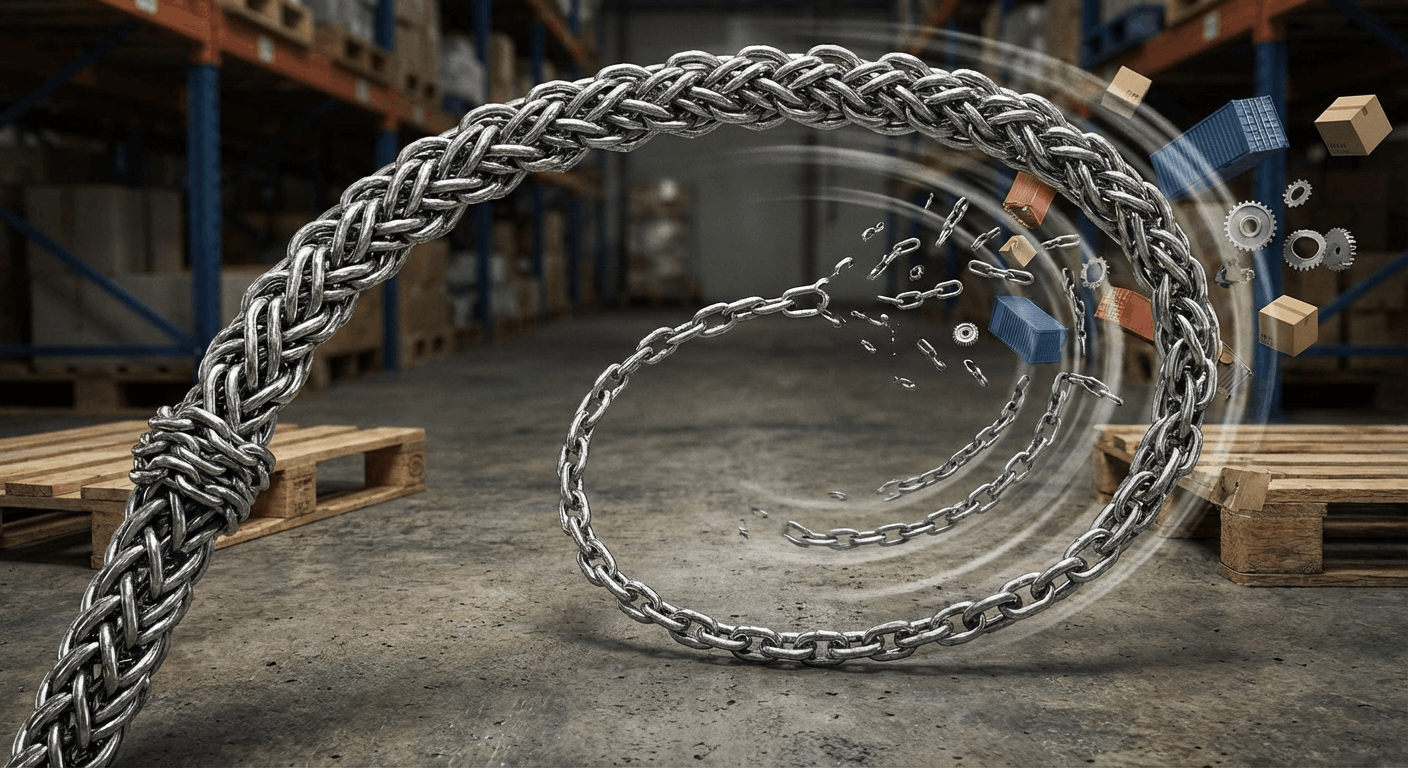
La perspectiva de Rickards es que las cadenas de suministro globales hipereficientes carecen de resiliencia. Durante décadas, las empresas extendieron la producción por todos los continentes en busca de costos bajos. Esta red extensa opera con una filosofía just-in-time y con inventarios mínimos. Funciona bien en tiempos de calma, pero cualquier disrupción puede generar una cascada catastrófica.
Ejemplos como los atascos en el transporte marítimo de 2021 y la escasez de semiconductores mostraron cómo un solo componente faltante podía paralizar líneas de producción enteras. Como señala Rickards, el just-in-time puede convertirse rápidamente en just-too-late (demasiado tarde).
Su solución propuesta es un giro hacia estrategias just-in-case: incorporar holgura al sistema, mantener inventarios de seguridad, diversificar las fuentes y relocalizar la producción crítica en el país o en naciones aliadas.
Aeroespacial y Defensa: Desafíos Únicos en la Cadena de Suministro
La industria Aeroespacial y de Defensa ilustra vívidamente estos riesgos. Los grandes programas dependen de cadenas de suministro profundamente escalonadas, donde un fallo en un proveedor de nivel inferior puede poner en peligro todo el sistema.
Los retrasos de componentes incluso pequeños pueden detener la entrega de aeronaves o sistemas de defensa de varios millones de dólares. Durante el COVID-19, la escasez de componentes electrónicos y materias primas causó retrasos generalizados en las entregas de programas aeroespaciales y de misiles.
Otro desafío importante es la concentración de proveedores. Algunos componentes de defensa provienen de solo uno o dos proveedores calificados en todo el mundo, creando peligrosos puntos únicos de fallo.
Construyendo Cadenas de Suministro A&D Resilientes
Para abordar estos riesgos, las empresas de A&D están adoptando nuevas estrategias centradas en la resiliencia:
- Diversificación de proveedores: calificar a múltiples proveedores en distintas regiones.
- Inventarios de amortiguación: mantener reservas estratégicas de piezas críticas.
- Gestión más cercana de proveedores: mayor involucramiento con los proveedores de niveles inferiores.
- Relocalización nacional y friend-shoring: trasladar la producción a naciones propias o aliadas.
- Visibilidad digital: usar datos, IA y gemelos digitales para anticipar disrupciones.
La industria está cada vez más dispuesta a intercambiar eficiencia por robustez, adoptando la redundancia, la resiliencia y la agilidad.
Nuevos Actores que Disrumpen el Modelo Tradicional
Nuevos entrantes en tecnología de defensa como Anduril, Mach Industries y Helsing AI están redefiniendo la estrategia de cadena de suministro. Estas empresas se integran verticalmente, adquieren proveedores clave y construyen manufactura propia para evitar cuellos de botella.
Anduril, por ejemplo, invirtió en su propia producción de motores de cohetes y adquirió un fabricante de sensores infrarrojos para asegurar tecnologías críticas. Helsing AI siguió un camino similar al adquirir un fabricante de aeronaves para controlar la producción de fuselajes.
Estas firmas también aprovechan la manufactura avanzada, la iteración rápida de diseño y la estrecha integración entre ingeniería y cadena de suministro para adaptarse rápidamente a las disrupciones.
Conclusión
Las advertencias de Jim Rickards sobre las cadenas de suministro frágiles resuenan con fuerza en el sector Aeroespacial y de Defensa. La complejidad del sector y lo que está en juego hacen que la resiliencia sea esencial.
Las empresas que invierten en redundancia, transparencia y flexibilidad están mejor posicionadas para resistir futuros impactos y obtener ventaja competitiva. En la realidad actual, las cadenas de suministro seguras y resilientes son tan vitales para la defensa como la propia tecnología avanzada.